World Crypto Markets: Regulations and Major Players
The global cryptocurrency market has grown into a multi-trillion-dollar ecosystem. World Crypto refers to the international trading, adoption, and regulation of digital assets. Cryptocurrencies like Bitcoin, Ethereum, and stablecoins have transformed from niche technologies into mainstream financial instruments.
Understanding World Crypto markets requires a deep look at both regulations and the major players shaping this industry. This article provides a comprehensive analysis of global crypto markets, regulatory frameworks, key stakeholders, and investment opportunities in 2025.

1. Overview of World Crypto Markets
Cryptocurrency markets have evolved rapidly, driven by technological innovation, retail adoption, and institutional interest. In 2025, World Crypto markets are characterized by:
- A diversified ecosystem including coins, tokens, stablecoins, and decentralized finance (DeFi) platforms.
- Increasing institutional participation, especially in North America and Europe.
- Emerging market adoption in Asia, Latin America, and Africa, fueled by remittances and financial inclusion.
Market Size and Growth
Global cryptocurrency market capitalization exceeds $3 trillion in 2025, showing steady growth from the early 2020s. Bitcoin remains the largest asset, followed by Ethereum and other altcoins. Stablecoins now account for a significant portion of global transactions, particularly for cross-border payments.
Key Factors Driving Market Growth
- Financial Inclusion: Cryptocurrencies provide access to banking for millions of unbanked users.
- Technological Innovation: Blockchain platforms and smart contracts enhance utility.
- Institutional Investment: ETFs, custody services, and regulated platforms attract professional investors.
- Global Adoption: Increased awareness and user-friendly apps support mainstream usage.
These factors collectively shape the dynamics of World Crypto markets today.
2. Global Regulatory Landscape
Regulation plays a central role in shaping World Crypto markets. Governments and financial authorities worldwide have different approaches, ranging from supportive to restrictive.
North America
- United States: Crypto is regulated under multiple agencies, including the SEC and CFTC. ETFs, institutional custody, and taxation frameworks are clearly defined. However, some decentralized platforms remain unregulated.
- Canada: Regulatory clarity encourages crypto ETFs, institutional adoption, and retail participation.
Europe
- Europe aims to harmonize crypto laws through the Markets in Crypto Assets (MiCA) framework.
- Countries like Germany, Switzerland, and France focus on consumer protection, AML (Anti-Money Laundering), and taxation.
- Regulatory clarity boosts trust and institutional participation.
Asia-Pacific
- Regulatory approaches vary widely.
- Singapore and Japan adopt crypto-friendly policies, encouraging exchanges and blockchain innovation.
- India and China have mixed regulations, with China restricting retail crypto activity.
- Despite restrictions, APAC leads in global transaction volumes.
Latin America
- Crypto is widely used as a hedge against inflation.
- Countries like Brazil and Mexico are developing legal frameworks to regulate exchanges and protect users.
Africa and Middle East
- Africa experiences rapid adoption due to mobile crypto wallets and financial inclusion needs.
- UAE and Saudi Arabia actively promote blockchain initiatives while ensuring compliance.
Overall, regulation shapes market confidence, adoption rates, and institutional entry into World Crypto markets.
3. Major Players in World Crypto Markets
Global cryptocurrency markets are dominated by several key players, including exchanges, blockchain platforms, stablecoin issuers, and institutional investors.
3.1 Cryptocurrency Exchanges
Exchanges facilitate buying, selling, and trading of crypto assets. Major exchanges include:
- Binance: The largest global crypto exchange by trading volume, offering spot and derivatives trading.
- Coinbase: A leading U.S.-based exchange with institutional custody and retail services.
- Kraken: Known for security and regulatory compliance, especially in Europe and North America.
- FTX (Post-restructuring): Remains a notable market player in derivatives and trading innovation.
Exchanges drive liquidity, set pricing trends, and serve as the entry point for retail and institutional investors.
3.2 Blockchain Platforms
Blockchain platforms underpin crypto innovation. Leading platforms include:
- Ethereum: Dominates smart contract development and DeFi applications.
- Solana: Known for high-speed, low-cost transactions, attracting dApps and gaming projects.
- Polkadot: Supports cross-chain interoperability, enhancing liquidity and adoption.
- Cardano: Focuses on scalability, sustainability, and decentralized governance.
These platforms power both investment and practical applications, including decentralized finance, supply chain, and tokenized assets.
3.3 Stablecoin Issuers
Stablecoins are crucial for transaction stability in World Crypto markets. Major issuers include:
- Tether (USDT): The most widely used stablecoin, dominating transaction volume.
- USD Coin (USDC): Backed by regulated reserves and favored in institutional markets.
- Binance USD (BUSD): Popular for trading and cross-border transactions.
Stablecoins bridge fiat currencies and crypto assets, making global adoption more practical.
3.4 Institutional Investors
Institutional players increasingly shape World Crypto markets:
- Hedge funds, asset managers, and family offices invest in Bitcoin and Ethereum.
- Financial institutions provide ETFs, custody services, and blockchain investment products.
- Corporate treasuries, such as Tesla and MicroStrategy, hold crypto as part of their balance sheets.
Institutional involvement improves liquidity, market stability, and credibility.
4. Market Dynamics and Trading Trends
Several trends define global crypto markets in 2025:
4.1 Spot vs Derivatives Trading
- Spot trading remains dominant among retail investors.
- Derivatives markets, including futures and options, attract institutional players and advanced traders.
4.2 Decentralized Finance (DeFi)
- DeFi continues to expand, enabling borrowing, lending, yield farming, and staking.
- Integration with centralized exchanges improves liquidity and market access.
4.3 Cross-Border Transactions
- Stablecoins and blockchain networks enable faster, cheaper international payments.
- Emerging markets benefit significantly from remittances and digital commerce.
4.4 Liquidity and Market Capitalization
- Bitcoin and Ethereum dominate market capitalization.
- Altcoins and tokens provide diversified investment options, particularly for DeFi and NFT projects.
5. Challenges in World Crypto Markets
Despite rapid growth, World Crypto Markets face several challenges:
- Regulatory Fragmentation: Different rules in each country create uncertainty.
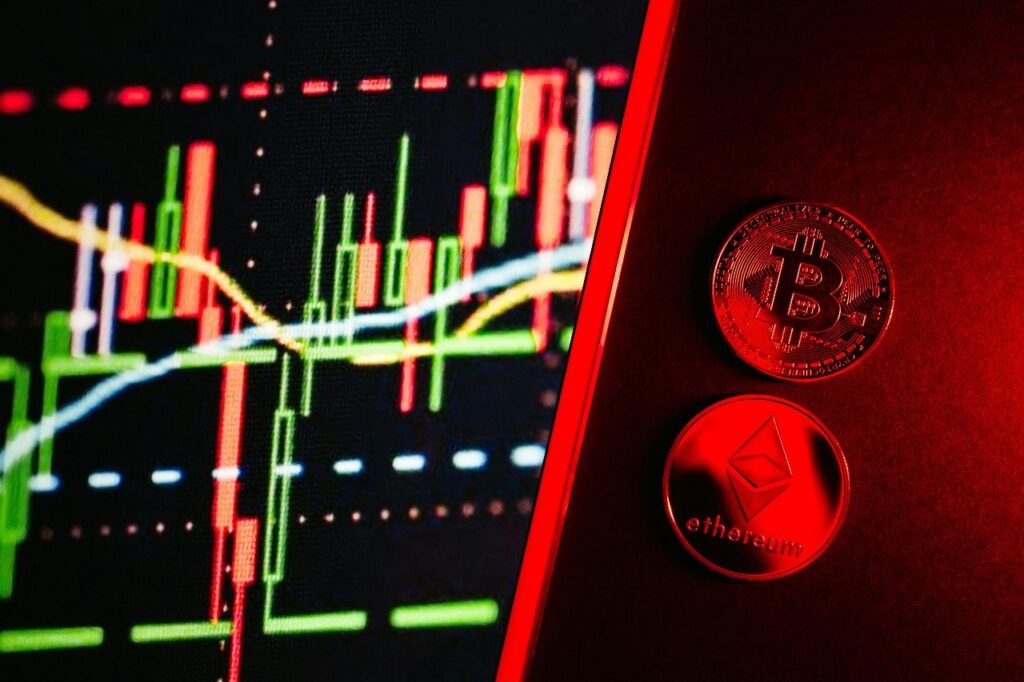
- Market Volatility: Price swings can deter adoption for payments and investments.
- Security Risks: Hacks, scams, and mismanaged exchanges threaten trust.
- Liquidity Gaps: Some altcoins face low liquidity, impacting trading efficiency.
- Technical Limitations: Scalability, cross-chain communication, and network congestion remain concerns.
Addressing these challenges is critical for sustainable market growth.
6. Opportunities in Global Crypto Markets
The current environment offers multiple opportunities:
- Financial Inclusion: Crypto reaches unbanked populations in emerging markets.
- Cross-Border Payments: Stablecoins reduce costs and speed up remittances.
- Tokenization of Assets: Real estate, stocks, and commodities can be tokenized, attracting investors.
- Institutional Expansion: ETFs, custody solutions, and regulated platforms encourage large-scale investments.
- Technological Innovation: Layer 2 scaling, interoperability, and secure wallets increase adoption.
These opportunities suggest that World Crypto markets will continue expanding in scope and utility.
7. Recent Global Developments
- APAC continues to lead in trading volume, fueled by retail adoption and mobile wallets.
- North America and Europe focus on regulatory clarity, encouraging institutional participation.
- Stablecoins dominate transaction volumes, especially for cross-border payments.
- DeFi growth accelerates through improved security, interoperability, and usability.
- Emerging economies adopt crypto to address inflation, remittances, and banking access.
These developments indicate a more mature, practical, and globally integrated World Crypto market.
8. Future Outlook
The future of World Crypto markets looks promising:
- Global Regulation: Some regions will standardize rules, reducing uncertainty.
- Hybrid Finance: Crypto and fiat coexist, improving transaction efficiency.
- Tokenization and DeFi: New applications will broaden investment and usage.
- Institutional Growth: Increased adoption by corporations, banks, and funds will stabilize markets.
- Financial Inclusion: Emerging markets will continue driving user adoption.
Overall, global crypto markets are evolving toward integration, efficiency, and sustainability.
9. Advice for Investors and Market Participants
Investors and enthusiasts should consider:
- Diversify Across Assets: Spread investments across coins, tokens, and regions.
- Monitor Regulations: Stay updated on laws in your country and internationally.
- Prioritize Security: Use trusted wallets, exchanges, and verified platforms.
- Think Long-Term: Focus on utility, adoption trends, and technological innovation.
- Stay Informed: Follow market trends, major players, and global developments.
This approach helps navigate the dynamic, high-risk, but highly rewarding World Crypto markets.
Conclusion
World Crypto markets in 2025 represent a maturing, complex, and globally integrated financial ecosystem. Regulatory frameworks, major exchanges, blockchain platforms, stablecoins, and institutional investors all shape the market dynamics.
While challenges such as regulation, security, and volatility persist, opportunities in financial inclusion, cross-border payments, tokenization, and DeFi expansion remain significant.
For investors and enthusiasts, understanding global trends, regulations, and key players is essential to participate successfully. The World Crypto market is no longer niche — it is a transformative global ecosystem reshaping how people transact, invest, and interact with digital finance.